FAQs
- On-road
- Bike lanes
- Multi-use pathways
- Walkways (where signage permits)
- In-boulevard multi-use paths (located next to the road) and Off-road trails and within parks (ex. K&P Trail)
- User age:16 or older
- License Requirement: No
- Maximum Speed: 32 km/h
- Wear an approved bicycle or motorcycle helmet
- On-road
- User age: 16 or older
- License requirement: Yes – motorcycle licence
- Wear an approved motorcycle helmet
- On-road
- User age: 16 or older
- License requirement: Yes – motorcycle licence
- Wear an approved motorcycle helmet
- Electric kick-style scooters
- Cargo e-bikes
- Low-speed vehicles
- Golf car (carts)
- Large quadricycles.
- Keep to the right and pass on the left.
- Use a bell to alert others on shared-use pathways when overtaking and passing.
- Keep a safe distance from pedestrians and other micromobility users in shared spaces.
- Yield to pedestrians on shared-use pathways.
- Reduce your speed near pedestrians and in designated slow-down zones.
- Never operate a micromobility device under the influence of drugs or alcohol. It is illegal.
- Improper or illegal operation may be subject to fines and penalties
What are the rules currently in Kingston?
A summary of the current micromobility rules is provided below. These rules are in place today, but they are being reviewed as part of the City’s Micromobility Regulations Strategy.
| Vehicle Type | Legal Permissions |
Bicycle, tricycle, unicycle, cargo bicycle, e-bike (including a cargo e-bike weighing up to 55 kilograms).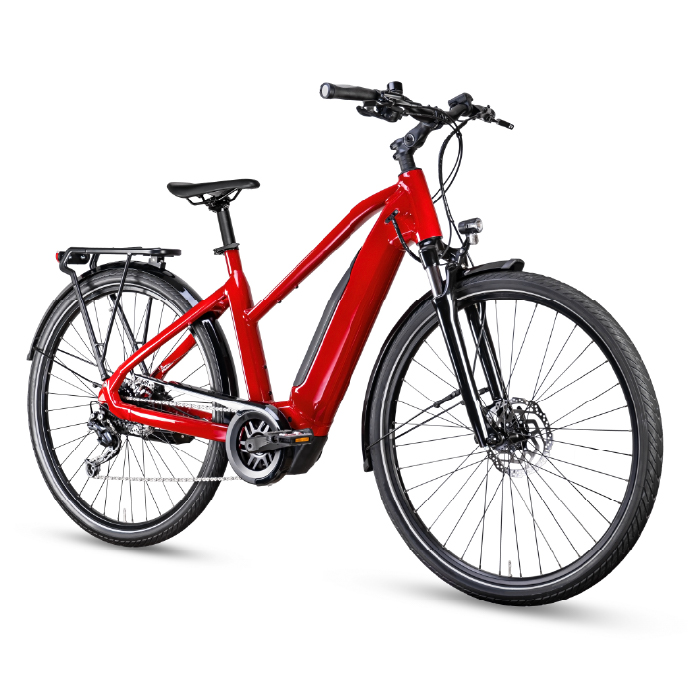 | Permitted in Kingston as follows: Provincial Requirements (for e-bike only) |
Motor-assisted bicycle (moped). | Permitted in Kingston as follows: Provincial Requirements: |
Limited speed motorcycle (motor scooter) | Permitted in Kingston as follows: Provincial Requirements: |
E-cargo bike weighing more than 55 kilograms.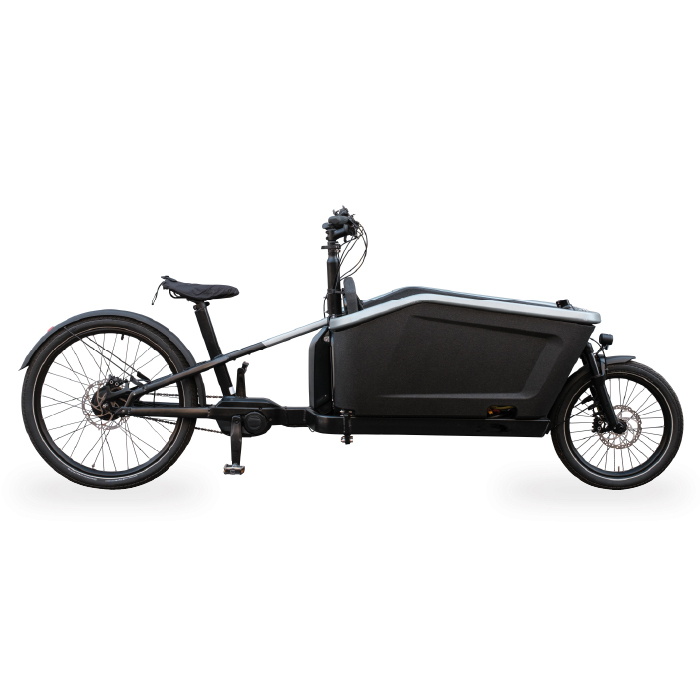 | Not permitted to operate within the City of Kingston’s transportation network, including roads, bike lanes, cycle tracks, sidewalks, pathways, and routes through parks. The City is not currently participating in the Province’s Cargo E-Bike Pilot. |
Electric-powered kick scooter (e-scooter).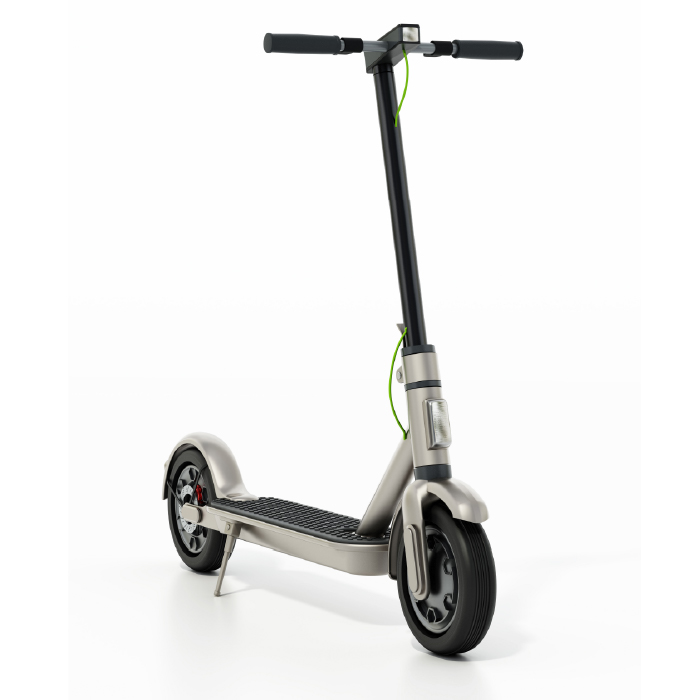 | Not permitted to operate within the City of Kingston’s transportation network, including roads, bike lanes, cycle tracks, sidewalks, pathways, and routes through parks. The City is not currently participating in the Province’s E-Scooter Pilot. |
Electric unicycle; electric one-wheel; electric skateboard; electric hoverboard; electric transporter. 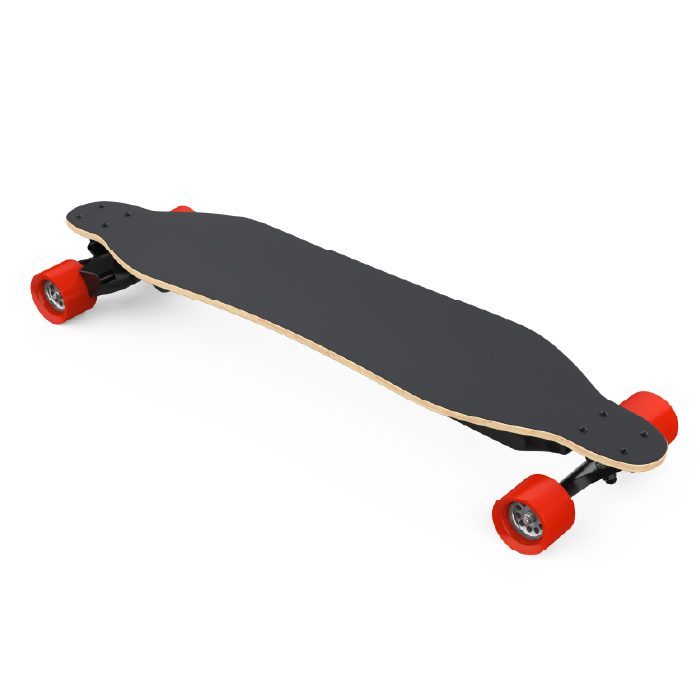 | Not permitted to operate within the City of Kingston’s transportation network, including roads, bike lanes, cycle tracks, sidewalks, pathways, and routes through parks. |
Low-speed vehicles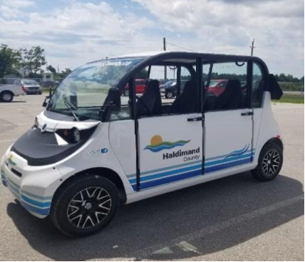 | Not permitted to operate within the City of Kingston’s transportation network, including roads, bike lanes, cycle tracks, sidewalks, pathways, and routes through parks. The City is not currently participating in the Province’s Low-Speed Vehicle Pilot |
Enclosed Motorized Device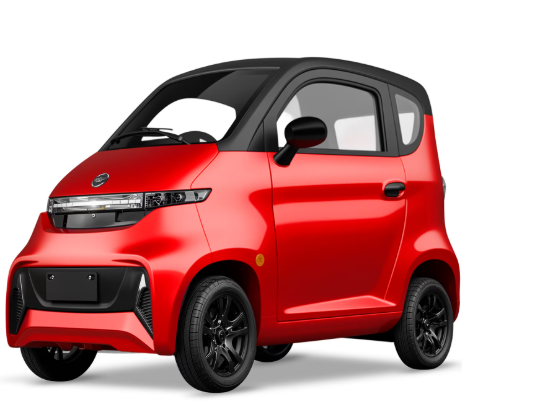 | Not permitted to operate within the City of Kingston’s transportation network, including roads, bike lanes, cycle tracks, sidewalks, pathways, and routes through parks. |
How can micromobility be regulated?
The City can update its bylaws to set out clear rules for micromobility. This includes deciding whether to join provincial pilot programs (such as for e-scooters or cargo e-bikes) and establishing where and how these vehicles can be used.
Why is the City looking at new rules?
More people are choosing micromobility options like e-bikes and cargo bikes for daily trips, and Kingston is also building new facilities such as cycle tracks and in-boulevard multi-use paths. Clear and consistent rules will help everyone share these spaces more comfortably and safely.
What are the provincial micromobility pilot programs?
The Ministry of Transportation (MTO) is currently piloting five types of micromobility vehicles:
To participate in any of these pilot programs, a municipality must first pass a by-law allowing the particular type of micromobility to be operated within its jurisdiction.
Are mobility assistive devices considered micromobility?
No. Mobility devices, such as manual and powered wheelchairs and mobility scooters that are eligible under the provincial Assistive Devices Program, are not categorized as micromobility. People using these devices are considered pedestrians.
What is the etiquette for pathway use?