Biodiversity Action Plan

Nature plays a fundamental role in supporting all elements of a sustainable, resilient city: fresh air to breathe, clean water to drink, healthy food to eat and materials for shelter. By planning for biodiversity, cities are bringing nature back by reintegrating natural systems and services into the urban landscape.
As one of the goals outlined in the City’s 2023-2026 Strategic Plan, we are developing a Biodiversity Action Plan for Kingston with the support of ICLEI Canada. The plan will be a valuable guide that identifies and prioritizes opportunities to improve community biodiversity, sustainability and resilience.
We'll bring together City staff, community partners and local organizations who are directly affected by biodiversity challenges to take part in a Biodiversity Working Group that will guide the creation of the strategy.
Throughout the process of drafting the Biodiversity Action Plan, we will:
- Assess the conditions, threats and conservation challenges of local natural areas
- Review existing municipal policies and strategies related to biodiversity
- Determine the region’s biodiversity assets and challenges
- Develop actions and policies to guide next steps and performance metrics to measure our progress
We're using ICLEI Canada’s BiodiverCITIES Handbook to guide our biodiversity planning process. Through the creation of this plan, we will complete Milestones 1, 2 and 3.
Have your say
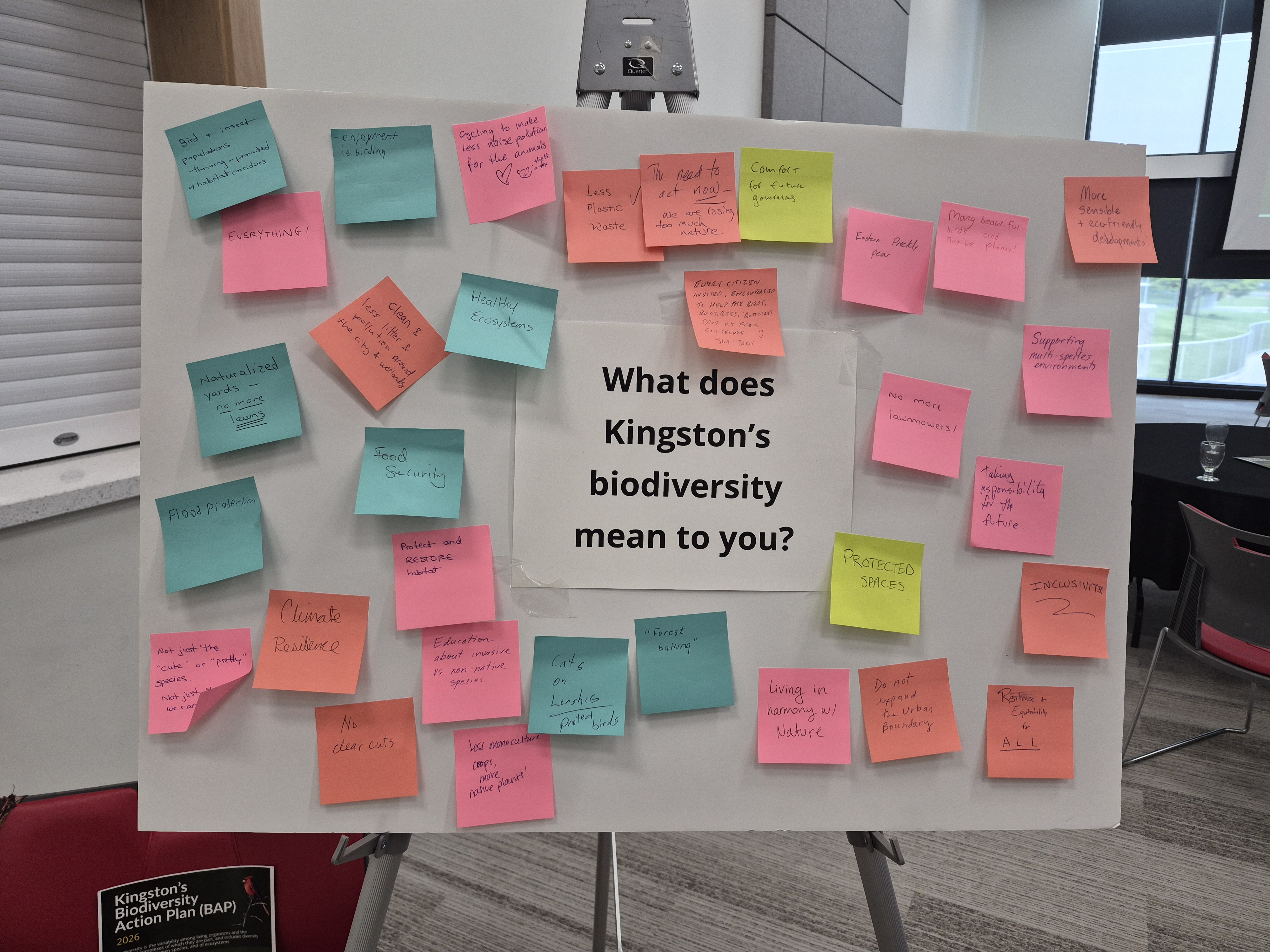
Climate change affects all of us — your input matters as we build a more resilient Kingston together. Read the public engagement summary of the biodiversity mapping engagement.
Project updates will be shared on this page and with project followers. Use the Stay Informed feature on this page to subscribe to receive updates in your inbox.
-
What we heard: Biodiversity mapping engagement
This report summarizes the community input received from the biodiversity mapping engagement.
Why we engaged
As one of the goals outlined in Kingston’s 2023-2026 Strategic Plan, the City of Kingston is developing a Biodiversity Action Plan with the support of ICLEI Canada. The plan will be a valuable guide that identifies and prioritizes opportunities to improve community biodiversity, sustainability and resilience.
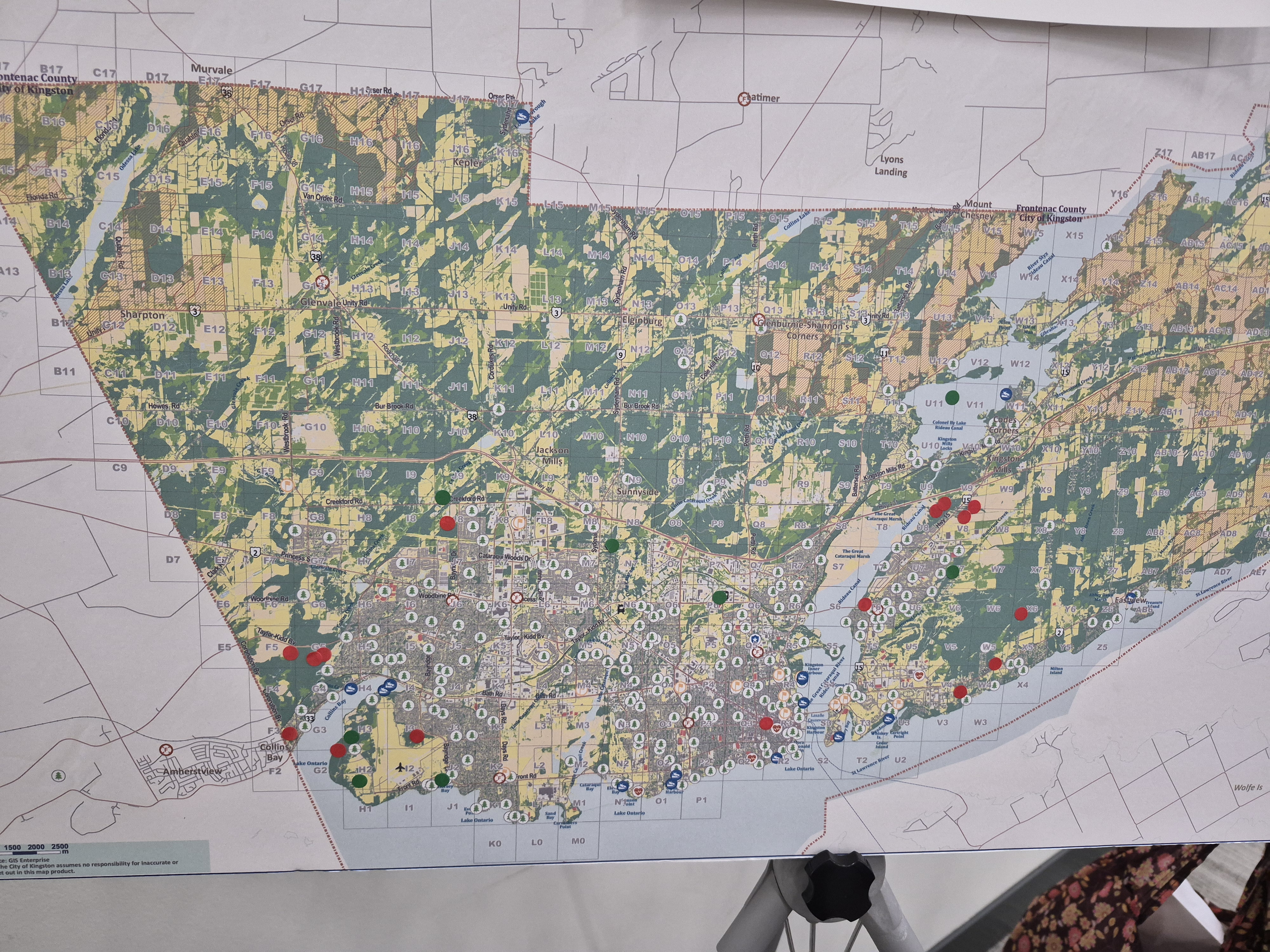
Community input is vital to understanding where biodiversity is observed and which spaces need extra support; this input will help shape the actions and priorities in the Biodiversity Action Plan to help biodiversity flourishContinue reading
-
Kingston Climate Summit biodiversity workshop
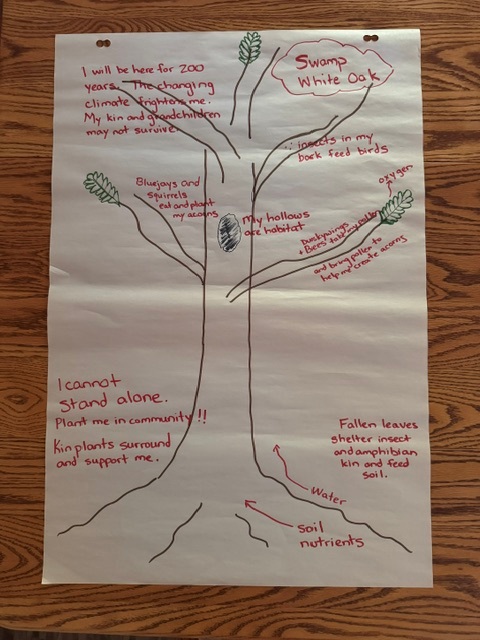
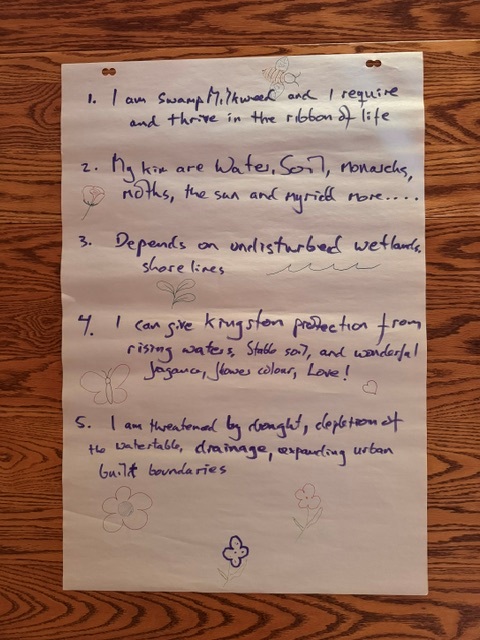
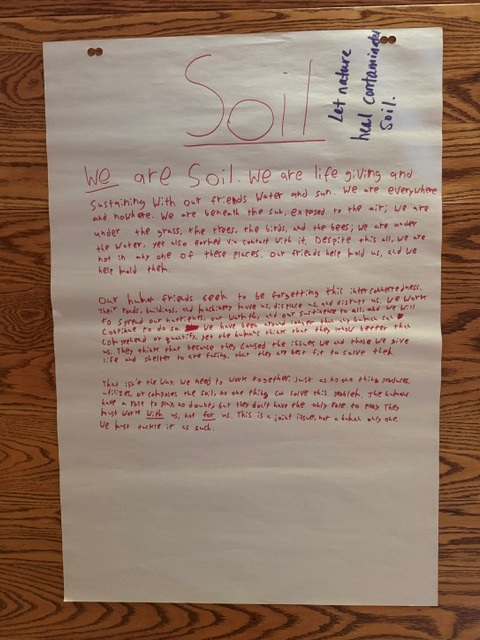
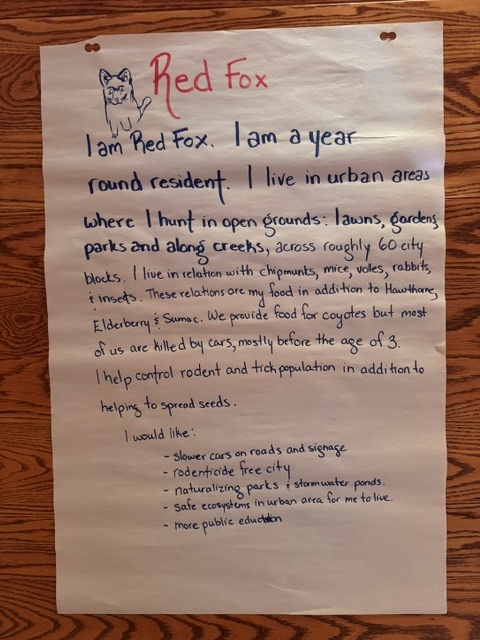
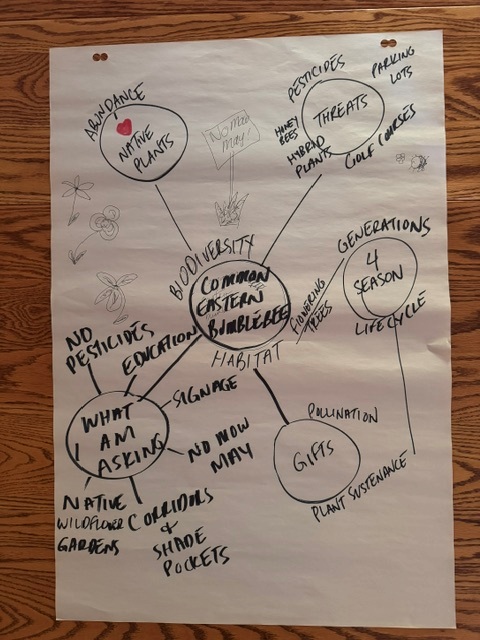
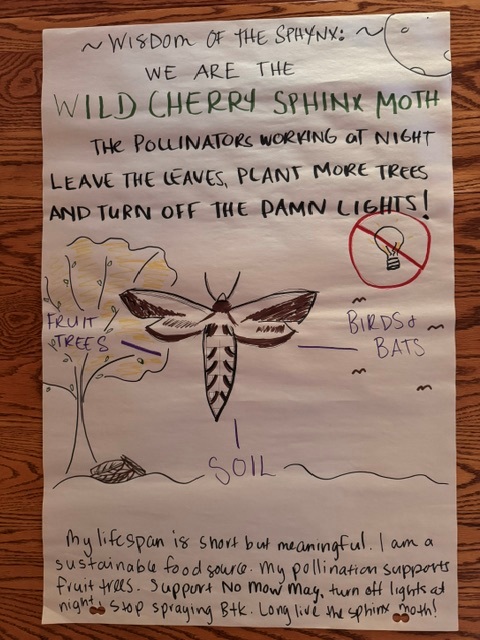
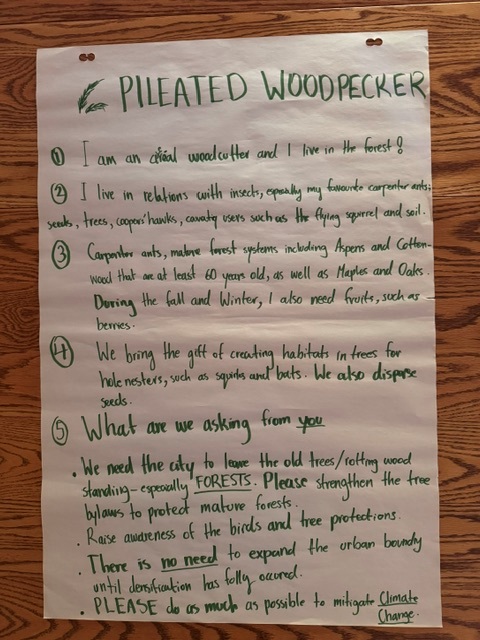
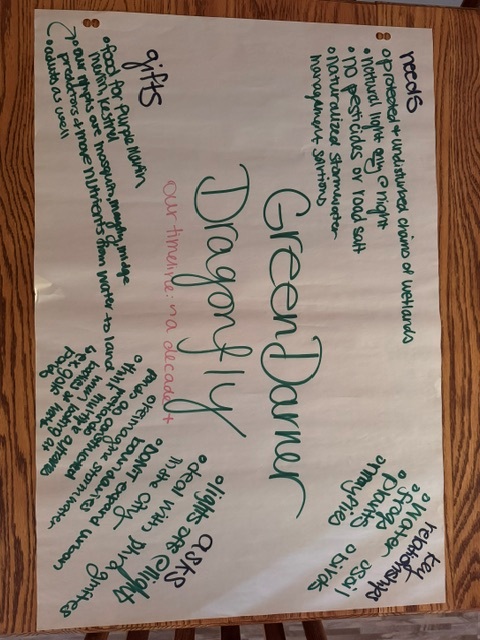
At the 2026 Kingston Climate Summit, held on June 3 and 4, approximately 50 participants took part in a biodiversity workshop led by Little Forests Kingston and the City of Kingston. Each group took on the identity of a more-than-human species, such as Wild Cherry Sphinx Moth, Red Fox and Swamp White Oaks.
Participants used scenario-based thinking to prepare a short brief for their more-than-human kin that will be used to inform the Biodiversity Action Plan. Each group discussed numerous considerations, including where they are Continue reading
-
Manager, Climate Leadership
-
RV
-
Program Coordinator, Climate Leadership
JH -
Communications Officer, Communications & Public Engagement
CK