Natural Heritage Study
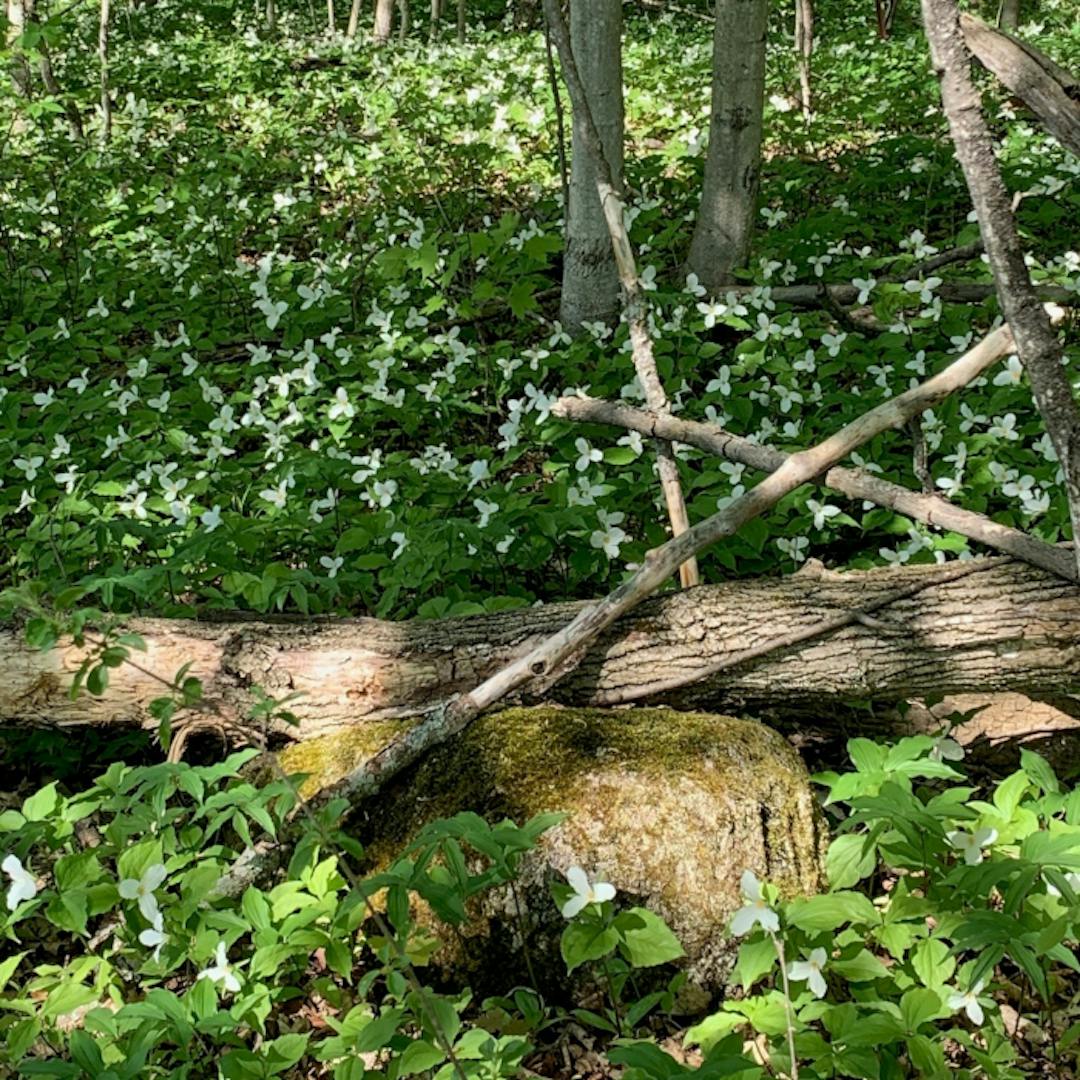
A wetland with granite rocks and trees.

The City of Kingston is creating a new Official Plan, which will guide how the community will grow and how land will be used over the next 25 years, until 2051.

As part of this process, the City is working with North-South Environmental to prepare a Natural Heritage Study which will identify and map the key natural heritage features, such as wetlands, woodlands and watercourses, found in Kingston, as well as corridors linking these features together.

The mapping and policy recommendations from the Natural Heritage Study will inform the natural heritage and environmental protection components of the City’s new Official Plan.

Get Involved

The City of Kingston is continuing public consultation on draft materials for the Natural Heritage Study. We welcome feedback on the following components until April 21, 2026.

For more background on this please read our news release.

Revised Draft Natural Heritage System Mapping

The Summer 2025 consultation resulted in modifications to the natural heritage system mapping, including feature composition and boundaries. The link above allows residents to easily compare the initial and revised drafts. Mapping modifications include:

  • Significant Woodlands: Manual refinements were applied to improve mapping accuracy, especially related to hedgerows and rural residential subdivisions;
  • Potential Woodland Enhancement Areas: This is an evolution of the former “Other Treed Areas” component in the initial draft mapping;
  • Locally Important Wetlands: The draft Natural Heritage Study Report has included new criteria to identify and map this feature, formerly referred to as Locally Significant Wetlands;
  • Other Wetlands: Unevaluated wetlands are now contained within “Other Wetlands”;
  • Minor site-specific refinements to reflect current aerial imagery or previously confirmed boundaries.

Natural heritage system mapping has been provided for the Urban Boundary Expansion Applications, including the original draft mapping from Summer 2025 and the current revised draft mapping; both versions are available for comparison. The current revised draft mapping reflects the findings of the City’s examination of the applicant’s Environmental Impact Studies, drone imagery, provincial mapping and site visits by the City’s Ecologist. All modifications were undertaken in accordance with the criteria outlined in the Technical Report and draft Natural Heritage Study Report. Additional information regarding the City’s technical review for each urban Boundary Expansion Application is available online through DASH.

Draft Natural Heritage Study Report

The draft Natural Heritage Study Report provides considerations for the policy and mapping framework to inform the City’s natural heritage system within the new Official Plan. The report is intended to provide the City with a variety of tools and options to select from to establish the municipal approach to protecting the natural heritage system, which will need to balance the other aspects of community planning outlined in the Provincial Planning Statement 2024 and the broader growth strategy of the City’s new Official Plan.

Appendix 1: Technical Report

The Technical Report outlines the mapped and unmapped components of the natural heritage system and outlines the criteria used to identify each feature and the methodology applied to determine the mapped components. The Summer 2025 consultation resulted in minor text modifications to the report, as outlined in the Summary of Revisions. Appendices to the Technical Report are available upon request.

Appendix 2: Summary of Public Consultation and Open House #1

This document summarizes and responds to the comments received on the draft Technical Report, draft Natural Heritage System mapping, and requested policy consideration topics for the draft Natural Heritage Study Report. In many situations, the summarized comments are a consolidation of several similar comments and therefore reflect the intent, if not the exact wording, of the feedback.

Virtual Open House

The City of Kingston and North-South Environmental will be hosting a virtual Open House to present the draft Natural Heritage Study Report and the revised draft Natural Heritage System Mapping:

Date: Wednesday, March 25

Time: 6 p.m. to 8 p.m.

Zoom: Please register in advance

Feedback

Feedback related to the Natural Heritage Study can be emailed to Niall Oddie, Senior Planner, noddie@cityofkingston.ca .

Feedback on mapping can also be provided through a comment form on the mapping portal.

Feedback related to the Second Draft of the Official Plan should be provided to newofficialplan@cityofkingston.ca or through the YG220K Get Involved Kingston webpage.

Next Steps

Feedback on the draft Natural Heritage Study Report will be taken into consideration as the document is finalized later this Spring 2026. Responses to public feedback received through this round of consultation will be released at the same time as the final Natural Heritage Study.

The City of Kingston is creating a new Official Plan, which will guide how the community will grow and how land will be used over the next 25 years, until 2051.

As part of this process, the City is working with North-South Environmental to prepare a Natural Heritage Study which will identify and map the key natural heritage features, such as wetlands, woodlands and watercourses, found in Kingston, as well as corridors linking these features together.

The mapping and policy recommendations from the Natural Heritage Study will inform the natural heritage and environmental protection components of the City’s new Official Plan.

Get Involved

The City of Kingston is continuing public consultation on draft materials for the Natural Heritage Study. We welcome feedback on the following components until April 21, 2026.

For more background on this please read our news release.

Revised Draft Natural Heritage System Mapping

The Summer 2025 consultation resulted in modifications to the natural heritage system mapping, including feature composition and boundaries. The link above allows residents to easily compare the initial and revised drafts. Mapping modifications include:

  • Significant Woodlands: Manual refinements were applied to improve mapping accuracy, especially related to hedgerows and rural residential subdivisions;
  • Potential Woodland Enhancement Areas: This is an evolution of the former “Other Treed Areas” component in the initial draft mapping;
  • Locally Important Wetlands: The draft Natural Heritage Study Report has included new criteria to identify and map this feature, formerly referred to as Locally Significant Wetlands;
  • Other Wetlands: Unevaluated wetlands are now contained within “Other Wetlands”;
  • Minor site-specific refinements to reflect current aerial imagery or previously confirmed boundaries.

Natural heritage system mapping has been provided for the Urban Boundary Expansion Applications, including the original draft mapping from Summer 2025 and the current revised draft mapping; both versions are available for comparison. The current revised draft mapping reflects the findings of the City’s examination of the applicant’s Environmental Impact Studies, drone imagery, provincial mapping and site visits by the City’s Ecologist. All modifications were undertaken in accordance with the criteria outlined in the Technical Report and draft Natural Heritage Study Report. Additional information regarding the City’s technical review for each urban Boundary Expansion Application is available online through DASH.

Draft Natural Heritage Study Report

The draft Natural Heritage Study Report provides considerations for the policy and mapping framework to inform the City’s natural heritage system within the new Official Plan. The report is intended to provide the City with a variety of tools and options to select from to establish the municipal approach to protecting the natural heritage system, which will need to balance the other aspects of community planning outlined in the Provincial Planning Statement 2024 and the broader growth strategy of the City’s new Official Plan.

Appendix 1: Technical Report

The Technical Report outlines the mapped and unmapped components of the natural heritage system and outlines the criteria used to identify each feature and the methodology applied to determine the mapped components. The Summer 2025 consultation resulted in minor text modifications to the report, as outlined in the Summary of Revisions. Appendices to the Technical Report are available upon request.

Appendix 2: Summary of Public Consultation and Open House #1

This document summarizes and responds to the comments received on the draft Technical Report, draft Natural Heritage System mapping, and requested policy consideration topics for the draft Natural Heritage Study Report. In many situations, the summarized comments are a consolidation of several similar comments and therefore reflect the intent, if not the exact wording, of the feedback.

Virtual Open House

The City of Kingston and North-South Environmental will be hosting a virtual Open House to present the draft Natural Heritage Study Report and the revised draft Natural Heritage System Mapping:

Date: Wednesday, March 25

Time: 6 p.m. to 8 p.m.

Zoom: Please register in advance

Feedback

Feedback related to the Natural Heritage Study can be emailed to Niall Oddie, Senior Planner, noddie@cityofkingston.ca .

Feedback on mapping can also be provided through a comment form on the mapping portal.

Feedback related to the Second Draft of the Official Plan should be provided to newofficialplan@cityofkingston.ca or through the YG220K Get Involved Kingston webpage.

Next Steps

Feedback on the draft Natural Heritage Study Report will be taken into consideration as the document is finalized later this Spring 2026. Responses to public feedback received through this round of consultation will be released at the same time as the final Natural Heritage Study.

  • City invites feedback on Second Draft of Official Plan and draft Natural Heritage Study

    The City has released the draft Natural Heritage Study (NHS) together with the Second Draft of the new Official Plan (OP) for public review and comment. These materials will help guide how the community grows and changes to 2051, including decisions related to housing, infrastructure, mobility, climate resilience, and protection of natural areas.

    The Second Draft of the OP reflects what the City heard during the first consultation phase, responding to more than 900 public comments received on the First Draft. Supporting materials are being released alongside the Second Draft to help residents review and understand the changes, including the draft mapping, a document showing changes between the First and Second Drafts, and a feedback and response summary showing how input has been considered.

    “This is a working draft, and community feedback is a critical part of strengthening it,” said Laura Flaherty, Project Manager, Planning Services. “We appreciate the time residents spent reviewing the First Draft and we look forward to hearing where we still need to refine policies as we start working on a third draft.”

    Kingston is projected to grow to as many as 220,000 people by 2051 based on 2023 projections that were reviewed and confirmed in early 2026.

    Land needs assessment studies prepared by Watson & Associates Economists Ltd. have shown that the City does not have sufficient land within the existing urban boundary to accommodate the projected population and employment growth. The Second Draft includes a proposed expanded urban boundary to align with the land needs assessment, as part of long-term planning to ensure sufficient land is available to accommodate projected growth to 2051, as required by the Provincial policy.

    The City recognizes that urban boundary decisions are significant and that residents will have important views on where growth should occur and how it should be phased. The Second Draft includes draft policies associated with the urban boundary expansion applications the City has received where these applications are supported by staff. These draft policies are intended to provide clarity on expectations and to establish a structured framework for how proposed expansion areas would be planned, evaluated, and sequenced. The draft policies give Council the ability to invest in infrastructure for expansion areas only when it makes sense and it gives the community a direct opportunity to comment on both the geography and the rules that would guide decision-making.

    At the same time, the City has published the draft Natural Heritage Study to support informed discussion about how natural features and systems should be identified, mapped, protected and enhanced over the long term. Importantly, the draft NHS presents a number of considerations the City may choose from to guide its approach to protecting and enhancing the natural heritage system.

    The draft NHS options have not yet been considered in the context of the Official Plan’s broader growth priorities and guiding principles. That broader evaluation including considering how environmental protection integrates with long-term housing needs, complete communities, infrastructure sequencing, and other growth objectives will be part of the next stage of work. The final direction will be shaped through further review of the considerations included in the draft NHS in the context of the broader municipal and provincial priorities, and public input.

    The Second Draft of the OP includes some natural heritage policy direction, informed by work underway through the draft NHS. However, the City expects that additional refinements may be made in the Third Draft, as staff continue to review the study data, policy options and public comments in the context of other requirements of the Official Plan. Both documents are being released at the same time, so the public can review them together, understand how the draft NHS has informed draft policy, and provide feedback.

    Residents are encouraged to review the Second Draft of the new Official Plan and the draft Natural Heritage Study and share feedback before the consultation period ends on April 21. Feedback can be submitted online through those project pages, or by email to newofficialplan@cityofkingston.ca. Submissions received during this consultation period will help inform the final Natural Heritage Study and the Third Draft of the new Official Plan.

    To participate in the consultation, and to sign up for future project updates or learn more visit Get Involved Kingston.

  • Consultation Update

    Updates to the Natural Heritage Study, including revised mapping and draft policy recommendations, were previously anticipated for public consultation in Fall 2025. The project timeline was extended as the project team worked to balance the wide range of comments received during the Summer 2025 consultation period.

    The next round of consultation materials for the Natural Heritage Study will be released in early March and will include the following:

    • Revised natural heritage system mapping for the entire municipality (including urban boundary expansion application lands).
    • A draft Natural Heritage Study Report containing policy recommendations for the Official Plan.
    • A summary of comments and responses from the Summer 2025 consultations.

    The Natural Heritage Study consultation materials will be provided separately from the second draft of the Official Plan; however, both will be released concurrently for public consultation. This approach will allow residents to review the Natural Heritage Study's policy recommendations alongside the draft natural heritage policies in the second draft of the Official Plan. Additional details relating to the forthcoming Natural Heritage Study consultation will be released shortly, including the date of a second open house to present and receive feedback on the updated Natural Heritage Study materials.

    More information related to the Official Plan, and how the Natural Heritage Study aligns with that project, please see Report Number 26-014 presented at the January 13, 2026, Council Meeting.

  • Draft Mapping and Technical Report – Community Consultation

    The City of Kingston is initiating public consultation on draft materials for the Natural Heritage Study. We welcome feedback on the following components until August 6, 2025:

    This report details the various natural heritage features proposed for inclusion in the natural heritage system of the City of Kingston. The natural heritage system will include both mapped and unmapped features. The report outlines the criteria used to identify each feature and the methodology applied to determine the mapped components.

    The Technical Report also provides background information on natural heritage planning, identifies current issues and trends within natural heritage systems, and discusses differences between the Draft Natural Heritage System and the previous Central Cataraqui Region Natural Heritage Study (2006). Appendices to the Draft Technical Report are available upon request.

    Comments on the Draft Technical Report can be emailed to GetInvolvedKingston@cityofkingston.ca or noddie@cityofkingston.ca

    The Draft Natural Heritage System Mapping visually presents the methodologies outlined in the draft Technical Report. While individual natural heritage features can be toggled on or off, the mapping is meant to be viewed as a system with all layers activated.

    Comments on the Draft Natural Heritage System Mapping can be provided within the mapping portal itself by using the “Public Comment Form” tab along the bottom of the screen.

    Open House: The City of Kingston and North-South Environmental will be hosting an in-person Open House to present the Draft Technical Report and Draft Natural Heritage System Mapping:

    Date: Wednesday, July 23, 2025

    Time: 6pm-8pm

    Location: 216 Ontario Street, City Hall (Memorial Hall)

    Feedback: Please consider the following when providing feedback on the draft Technical Report and draft Natural Heritage System Mapping:

    • Are there any natural features you believe are missing from the draft mapping?

    • Do you think any mapped features are inaccurate or misrepresented in the draft mapping?

    • Are there additional features that should be mapped?

    • Do you feel the criteria for identifying natural features are clear and understandable in the Technical Report?

    • Do you have any other comments or questions on the draft mapping or Technical Report?

    • Do you have any requests for policy recommendations in the next stage of the project, being the Natural Heritage Study?

    Next Steps: Your feedback will help guide the upcoming stage of the project, which involves finalizing the mapping and preparing the Natural Heritage Study. The Natural Heritage Study will include policy recommendations for the new Official Plan (YG220K). Further consultation related to this next phase will take place in early Fall 2025.

  • Draft Mapping and Technical Report Feedback Extended
    supporting image

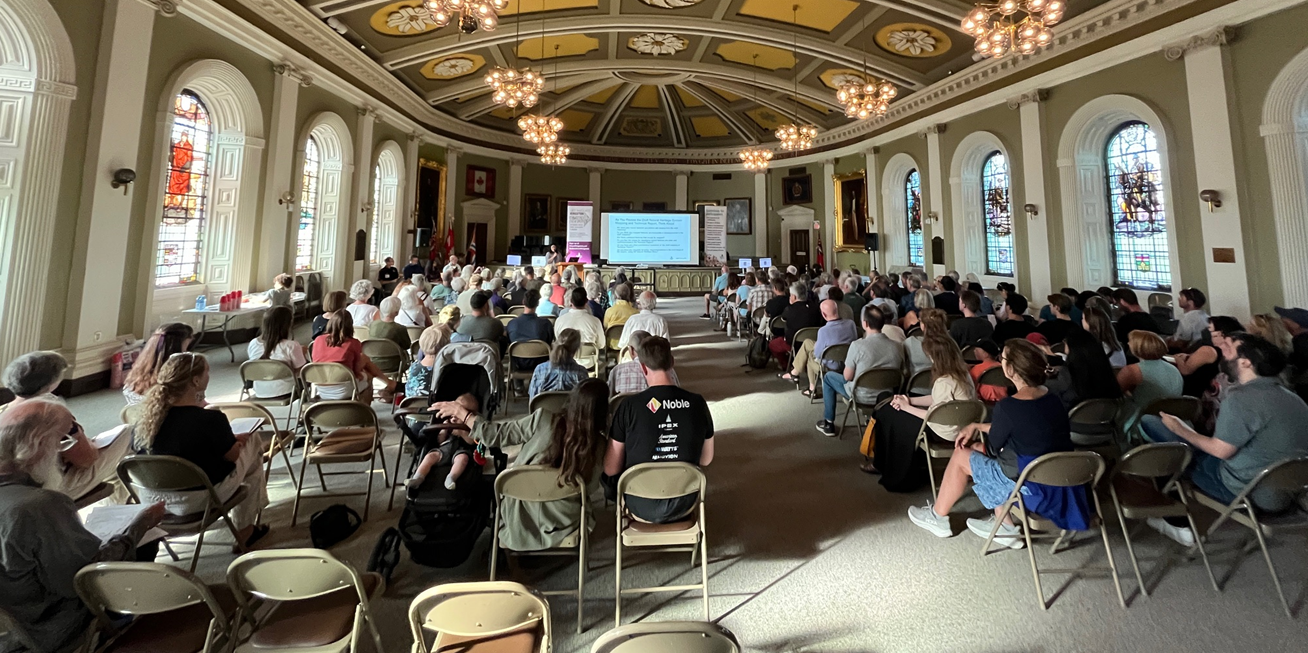
    Thank you to everyone who came to last night’s open house on the First Draft Mapping and Technical Report for the Natural Heritage Study. We had more than 125 people attend to learn more about the study and its process.

    The Natural Heritage Study is an important background study that maps and identifies important natural features and aspects of the environment. Once completed, the study will make policy recommendations for the new Official Plan about how to protect these natural features. At this stag,e we are working on the maps to make sure they reflect Kingston’s natural features.

    If you haven’t yet provided feedback on these maps, we have extended the deadline to do so until Aug. 6. Your comments will help us make the maps more accurate and better able to protect Kingston’s natural features. Later this summer, we will report out on what we have heard during this first draft.

    The input we receive on this draft will be used to improve the maps and in the fall, there will be more opportunities to give feedback. The revised mapping will show areas where applications have been received for expansion of the urban boundary. This will include a second open house. The date for that second open house still needs to be confirmed and will be announced once it is.

    If you would like to view the slides from the open house, you can request them through Get Involved. Those slides are being reviewed for accessibility and will also be shared on the project page and with subscribers once that review is complete.

  • Community Workshop Summaries

    City staff and North-South Environmental facilitated three in-person and virtual Community Workshops to receive early thoughts from the community on natural heritage features and conservation. The workshops were targeted toward different audiences to capture a range of opinions. Each of the workshops started with the same presentation to share information about the project, scope of work, methodology and project timelines before transitioning into facilitated small-group discussions. The workshops were held:

    Development Community :

    • February 19, 2025 1pm – 3 pm, virtually through Zoom
    • Approximately 10 participants

    Environmental, Rural and Agricultural Communities:

    • February 19, 2025 6pm – 8pm at Glenburnie Firehall
    • Approximately 20 participants

    Indigenous Community

    • February 24, 2025 12pm – 2pm, virtually through Zoom
    • Approximately 25 participants

    Comments received during the workshops have been consolidated and summarized into the following themes:

    Environmental Protection and Conservation

    • Existing woodlands mapping (Significant and Contributory) is inaccurate and based on outdated criteria and needs to be updated.
    • If the City wants areas conserved as part of a development application, the City should take ownership of the land rather than expecting future owners to protect the feature.
    • Through the new Official Plan project “YG200K”, the City can increase environmental protection and conservation through clear and measurable policies, supported by accurate mapping. The policies should clearly define when an Environmental Impact Statement would be required and what it should contain.
    • A range of opinions were received on the scope of protection the City should pursue within the Natural Heritage Study and the subsequent environmental policies within the new Official Plan. Some participants indicated the provincial minimums were sufficient, while other participants indicated the City should exceed provincial minimums and protect various additional features important within the local context.
    • Turtles need to be considered explicitly within the NHS, similar to how Fish Habitat is identified within the current list of natural heritage features within the Official Plan.
    • Trees and woodlands within the urban area, and the area considered for urban expansion, need greater protection from development activities.

    Ecological Connectivity and Green Corridors

    • The existing corridors and linkages shown on Schedule 8 of the Official Plan are appropriately located. However, there should be a clear policy around when and how they are to be implemented.
    • Corridors and linkages between natural features are more important than ever. There are opportunities to create more green corridors throughout the city (beyond what is currently shown on Schedule 8 of the Official Plan) by including them in development applications. For corridors to be effective, they need to be designed for the species that will use them. Some participants felt that land for future corridors should be considered as part of, rather than in addition to, parkland dedication.
    • Wildlife connections have been incorporated into a few recent infrastructure projects and development applications, which is supported and should continue in the future.
    • There is an opportunity to improve biodiversity within the urban area by redesigning outdoor residential spaces and eliminating the traditional lawn.

    Human Connections and Use of Natural Spaces

    • It is difficult to keep ‘natural spaces’ natural, as people often disturb these lands, especially those adjacent to development applications. However, there are opportunities to co-locate passive recreation uses within corridors and adjacent lands, provided they are well-designed and located sensitively.
    • The new Official Plan needs to balance human and natural elements together, with equal importance, as we need the natural ecosystems to survive.
    • It is difficult to re-establish natural features and landscapes as it is harder to add back than it is to remove. Natural features have a diversity that is very difficult to replicate.
    • Balancing growth with environmental protection is difficult. The additional height and density associated with infill and intensification projects is often beneficial, but these forms of development can also exacerbate the disconnection between people and the land. People need to have access to natural, unmanicured spaces to maintain a connection to the natural world.

    Managing Growth

    • Development pressure on natural heritage features within the urban boundary will increase without an expansion to the urban boundary.
    • An expansion to the urban boundary will increase development pressure on natural heritage features currently within the rural area, especially those in proximity to Butternut Creek, Collins Creek and along Hwy 2.
    • Developers are often asked to undertake restoration or enhancement of natural heritage features as part of development applications, which can add significant costs.
    • The current approach to development seeks to remove everything from the land so that the grade can be adjusted. A limited number of trees are replanted within the municipal road allowance, but typically in conditions that do not facilitate long-term growth. Moving forward, development should protect and conserve existing linkages and features (hedgerows, fence lines, small woodlands, etc.), rather than removing and trying to replace them afterwards.
    • Environmental Impact Statements submitted in support of development applications and the associated City-review, need to be more thorough. It is too easy to rationalize the removal of a natural feature from the landscape to support development applications. The City needs to be firmer in the review of these studies to offer greater protection for existing features.
    • The City should facilitate conversations between adjacent property owners interested in development so that broader connections and linkages can be planned and implemented.
    • The City should review the parkland dedication policies to accept natural heritage features in more situations, such as if there is an opportunity to include pathways. This may help conserve more natural areas from development.

    Integrating Agriculture and Natural Heritage

    • Corridors and protections along watercourses seem to be getting smaller and more relaxed for development applications. However, protection for those same features seems to be getting greater and more restrictive for agricultural and rural uses.
    • Rural and agricultural landowners often have a good sense of environmental protection and associated benefits. However, there need to be programs to incentivize and compensate property owners for their conservation actions.
    • There are different soil types and growing conditions in different parts of the city. Residential growth should be directed to the least arable soils in proximity to existing services that could be extended to preserve the higher capacity soils for agricultural uses and establishing linkages.
    • It is recognized that clearcutting woodlands to create or expand fields has long been a ‘normal farm practice’; however, there was concern among some participants that the activities are often related to future development interests rather than agricultural activities.
    • Farmers can be some of the best stewards of the land. However, compensation may be required to conserve certain natural features if the land could otherwise be more productive.
    • There are thought to be opportunities to incorporate restoration and enhancement of natural areas into agricultural practices, such as along watercourses by shifting the cultivated edge of a field back a few metres and allowing natural vegetation to regrow or allowing wet, unproductive portions of fields to form into wetland or grassland habitats. Some participants suggested this would be made stronger through by-law protection, other participants highlighted the existing level of regulation on agricultural activities.
    • The agricultural community should help reinforce the ecosystem services that natural heritage features provide to the community, as these services also benefit the agricultural community.

    Cultural and Indigenous Perspectives

    • Belle Island is a culturally important area and contains important habitat for birds, turtles, deer and significant woodlands. Similarly, the broader shoreline along Lake Ontario, including Lemoine’s Point, was also recognized as being culturally important.
    • Wetlands and riparian areas along shorelines often contain culturally significant species and resources and should be protected from development and alteration.
    • There is a need to consider the long-term implications of our actions – not just one generation, but seven generations from now.
    • The land is a living entity and not just a resource for our use. Land should be respected by not taking more than you need and using everything that you take.
    • With proper stewardship and time, the land will regenerate itself – but we need to be patient and protect space for that to occur.
    • Ecosystems are complex, often more complex than we understand, and do not follow municipal or political boundaries.
Page last updated: 10 Mar 2026, 09:06 AM